- 10/06/2026
Reflections on Ghana
Kelly Robinson
As the plane descended into Kotoka International Airport, one of the first features that drew my attention from the window was the largely flat landscape on which Accra is situated. During the bus journey through the city to the hotel, another characteristic of this urban space became immediately apparent: the extent of the ongoing construction, with numerous building projects at different stages of completion.
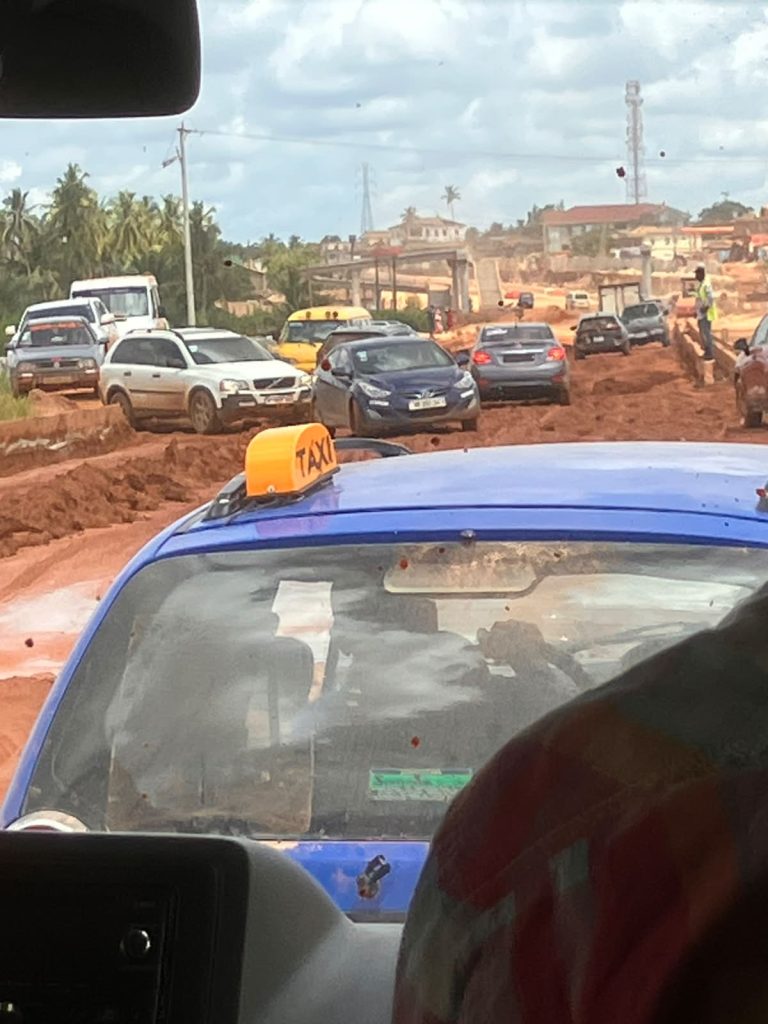
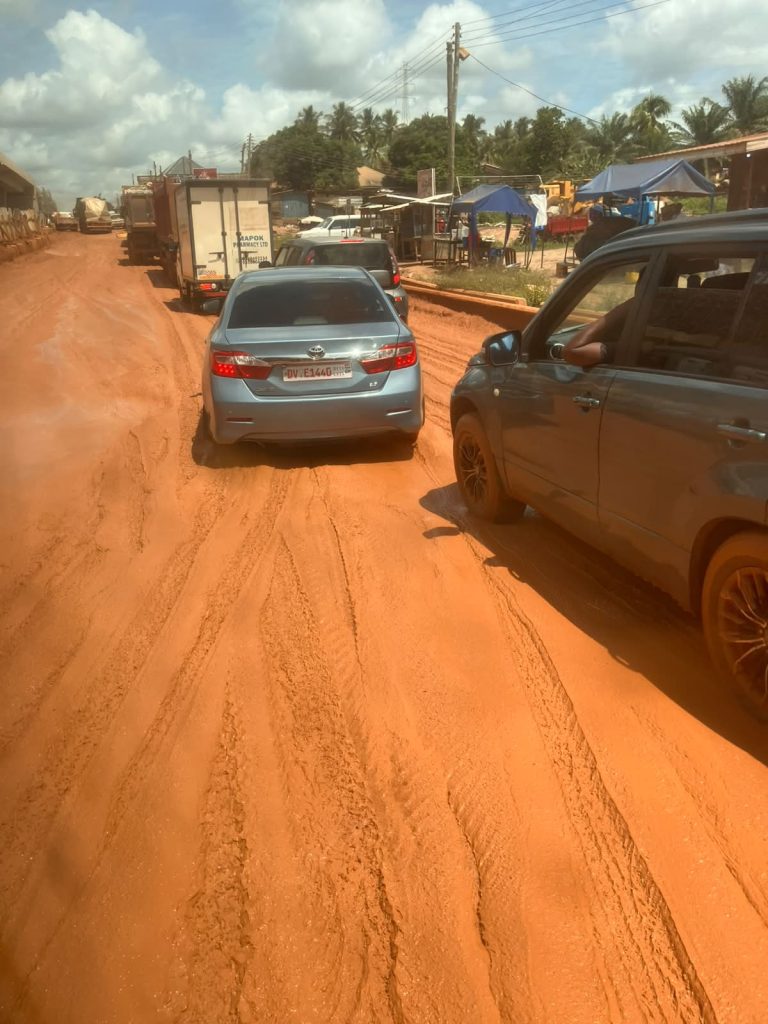
The journey from Accra to Cape Coast offered a further opportunity to see the country’s infrastructure. Construction was again a defining feature of the trip. The new highway, intended ultimately to facilitate faster movement between the towns and villages along the route, remains under development. At present, travel in this region involves multiple detours onto gravel roads that are heavily congested with traffic and are often made muddy by rain showers.
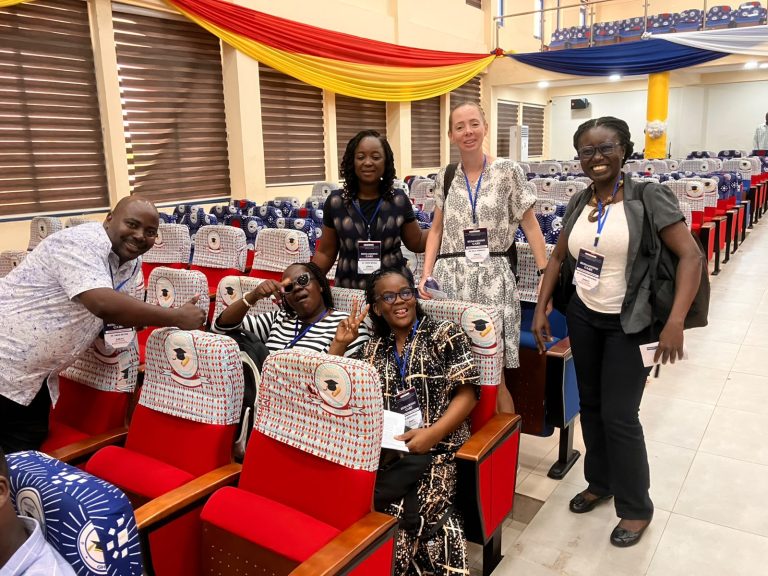
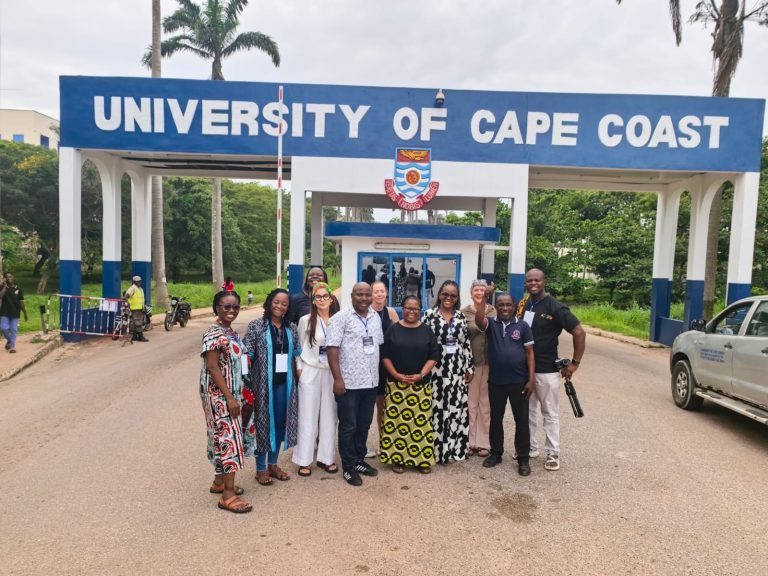
A primary reason for visiting Ghana was to attend the conference Re-Imagining Care: Relationships, Responsibilities, and Care in Africa, held over two days at the University of Cape Coast. The conference offered valuable opportunities to engage with a range of research areas gathered under the broad theme of reimagining care, while also opening space for sustained conversation and reflection.
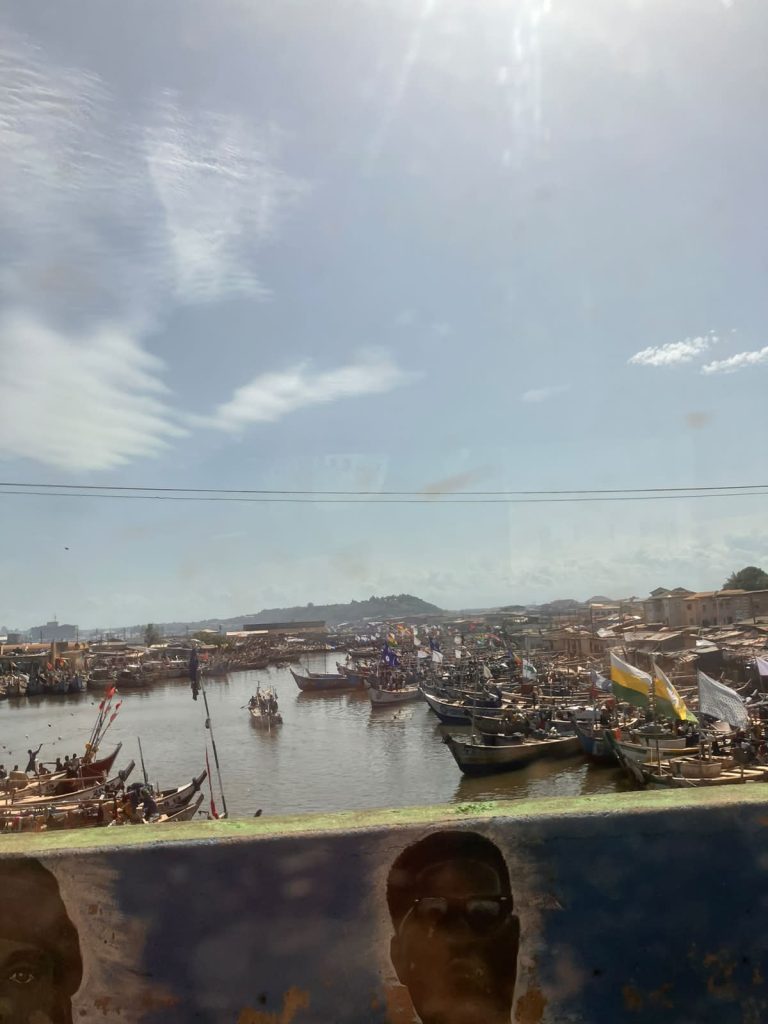
Daily travel through Cape Coast to the university provided a glimpse into the economic rhythm of the area. Fishermen returning from a night at sea arrived with their catches and were met by vendors who would later sell the fish. Along the roadside, stalls offering fruit, vegetables, and other everyday goods served children on their way to school as well as adults travelling to work. Such scenes offered insight into the textures and routines of daily life in the town.
A particularly significant part of the trip was the visit to the castles of Elmina and Cape Coast. Walking through these sites of historical atrocity and looking out through the Door of No Return brought the violence and human reality of the slave trade into sharp focus. Reading about these histories is one thing; standing within the spaces in which they unfolded is quite another.
Reflecting on the week spent in Cape Coast and Accra, what remains most vivid are the physical and sensory impressions: the intensity of the humidity and heat, the bustle and noise of Accra, and the bright, animated sounds and colours of the Saturday morning market. Together, these experiences shaped a visit that was both intellectually engaging and memorable.