- 10/06/2026
Reflections from the Final Re-imagining Reproduction Country Conference in Ghana
Lilian Owoko
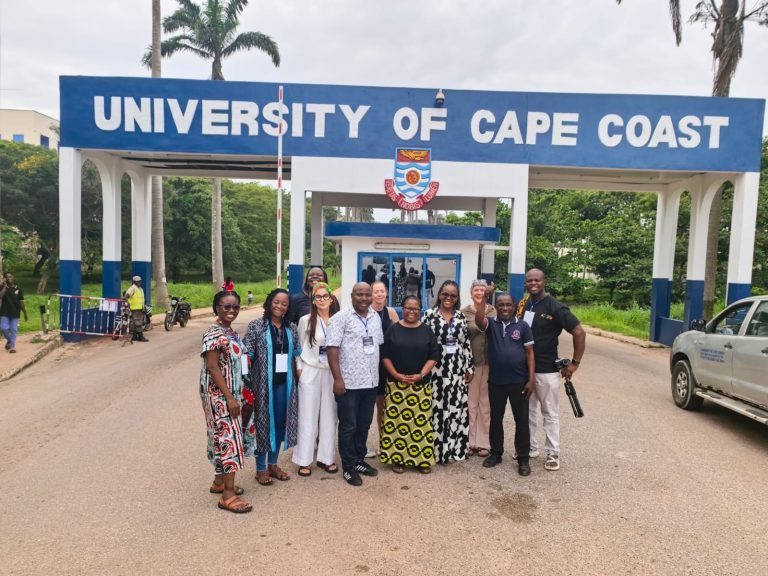
The final country conference of the Re-imagining Reproduction: Making Kin, Making Babies and Citizens in Africa project was held at the University of Cape Coast in Ghana. For me, this conference marked the culmination of a remarkable journey across five African countries. Since joining the project in 2023, I have had the opportunity to participate in country conferences in Kenya, Zimbabwe, South Africa, Tanzania, and now Ghana. Each conference provided a unique opportunity to engage with scholars, postgraduate students, and researchers working on questions of reproduction, kinship, citizenship, and care.
As I prepared for the trip to Ghana, I found myself reflecting on the familiar rhythm that had characterised previous country conferences. Typically, we begin with engagements with postgraduate students, followed by a two-day conference featuring paper presentations, keynote addresses, and rich discussions. These academic activities were often complemented by visits to important cultural and historical sites, allowing us to learn about the host country beyond the conference venue.
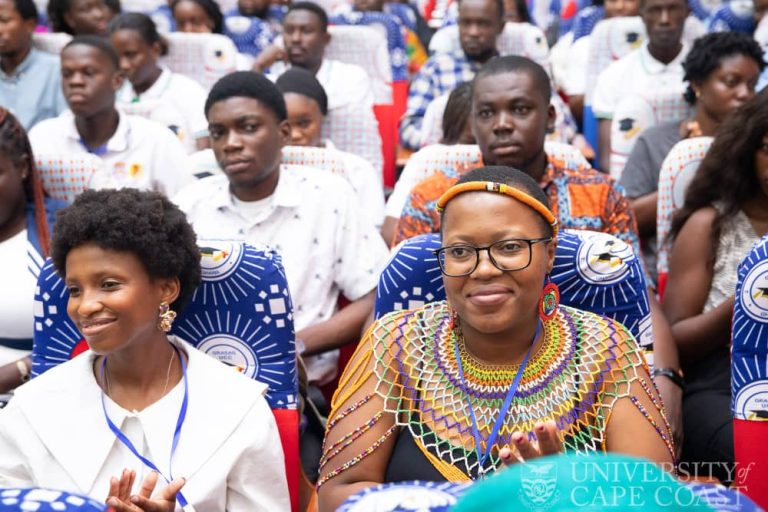
The Ghana conference followed this pattern in some ways, but it also offered an important reflection. Our engagement with postgraduate students was organised differently from previous conferences. Rather than holding separate meetings for different groups of students, discussions were brought together in a more integrated format. Even so, a striking similarity emerged across all the countries we had visited: postgraduate students consistently raised concerns about academic publishing. Questions about navigating peer review, responding to reviewers’ comments, selecting appropriate journals, and dealing with disagreements during the review process dominated discussions. Listening to students in Ghana reminded me of similar conversations in Kenya, Zimbabwe, South Africa, and Tanzania. Regardless of disciplinary background or institutional context, postgraduate researchers appeared to share many of the same challenges and anxieties about publishing their work.
This realisation prompted an important reflection. Anthropology has long emphasised cultural diversity and the importance of understanding social phenomena within their local contexts. Yet the experiences of postgraduate students across these five universities revealed a remarkable degree of similarity. In the realm of academic publishing, there seemed to be a shared postgraduate culture characterised by common aspirations, obstacles, and questions.
These recurring conversations also highlighted an opportunity for the project. Over the years, project fellows and senior scholars have provided guidance to postgraduate students facing similar publishing challenges. One potential legacy of the project could be the development of a practical publication guide or frequently asked questions resource. Such a resource could draw on the collective experiences of students and mentors across the five countries and provide practical advice on preparing manuscripts, responding to reviewers, and navigating the publication process.
As the project draws to a close, the Ghana conference served not only as a space for sharing research findings but also as a reminder of the enduring value of scholarly mentorship, collaboration, and collective learning across Africa.